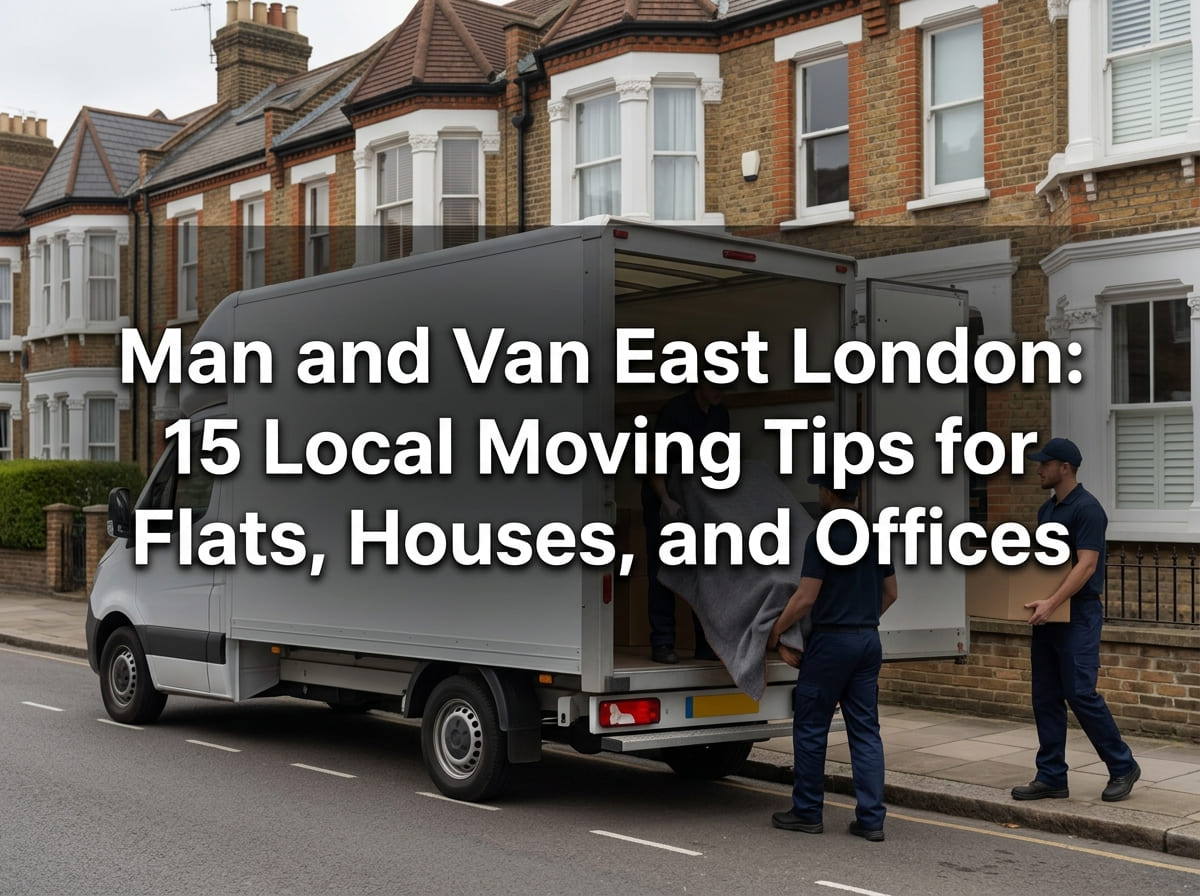
Searching for a man and van East London way usually means you need practical moving help, quickly, locally, and without the usual stress. Maybe you’re leaving a flat in Stratford, collecting furniture in Hackney, shifting a student room in Bow, moving office kit in Canary Wharf, or sorting a house move out of Walthamstow, Ilford, Leyton, Dalston, Newham, or the Docklands.
A good service does far more than turn up with a van. The right team understands local access, busy roads, flats, lifts, stairs, parking, loading bays, high rise buildings, office moves, student moves, furniture protection, dismantling, packing, and the small but vital matter of written booking confirmation.
This guide walks through what to check before booking a man and van in East London, how to prepare, what shapes the move, and how to dodge the common moving day problems. For local help, here’s the page: Man and Van East London.
Quick Answer: Finding a Reliable Man and Van Near You in East London
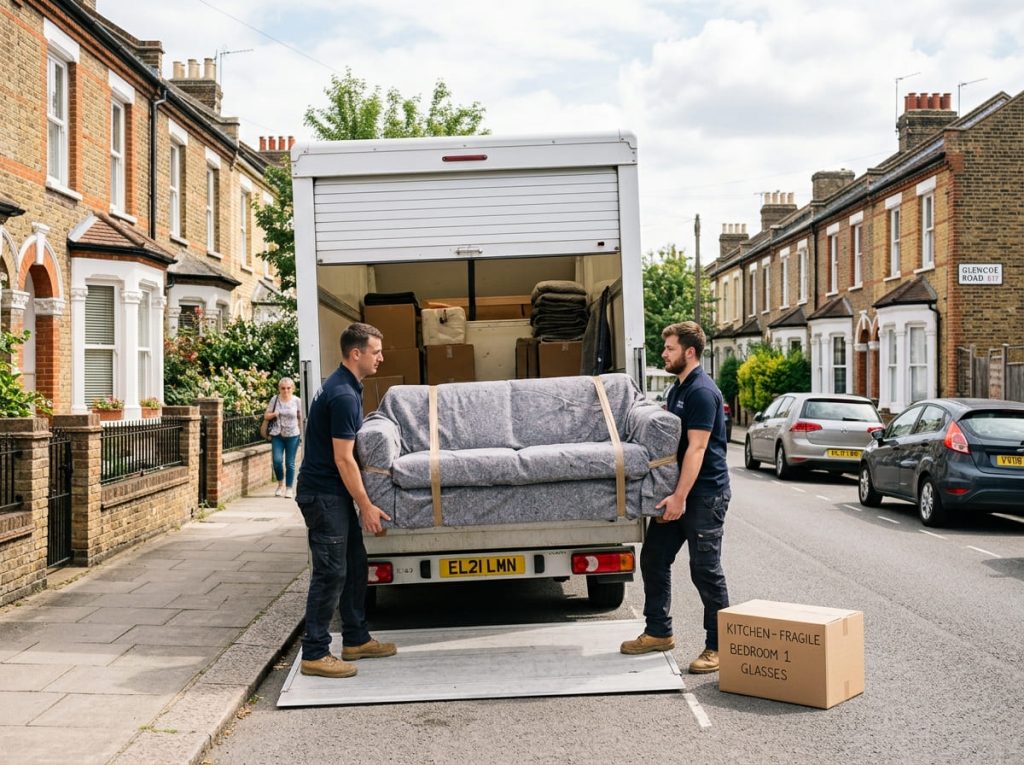
To find a reliable man and van near you in East London, go for a company that regularly covers the area, sends the right size van, brings enough movers, confirms its insurance, understands flats and office access, explains the parking, offers proper furniture protection, and gives written confirmation before the job.
The things worth checking before you book are whether they cover your part of East London, what van size they’ll send, how many movers are included, whether stairs and lifts are factored into the plan, whether parking or loading access needs arranging, whether they can handle office moves, whether they use furniture blankets, straps, and trolleys, whether dismantling and reassembly are available, whether fragile items need special handling, whether Goods in Transit and Public Liability cover are included, and whether the quote is clear and in writing.
Superman with a Van provides East London man and van services, house removals, flat moves, student removals, office moves, packing help, loading, unloading, furniture dismantling, reassembly, and transport. For wider London coverage, here’s the main page: Man and Van London.
What Makes East London Moves Different?
East London is anything but uniform, and the moves reflect that. A job in Stratford might mean a modern apartment block and a lift booking. One in Hackney or Dalston could mean narrow streets and barely any parking. A move in Canary Wharf or the Docklands often brings concierge access, loading bays, and building management rules into play. And a move in Ilford, Leyton, Walthamstow, or Newham might be a flat, a terraced house, a student room, a family home, or a storage run.
The situations that come up most include flat moves in apartment blocks, student moves near the universities and shared houses, office moves in commercial buildings, small removals from rented flats, furniture collections from shops or online sellers, storage moves, house moves from terraced streets, moves between East London and the wider city, short notice moves after a tenancy change, and anything needing a lift booking or loading bay access.
The thread running through all of it is that the challenge usually isn’t the distance. A short move can still eat time if there’s nowhere to park, the lift is busy, the stairs are narrow, the building access is restricted, or the van can’t stop near the entrance. That’s why a professional local mover should ask detailed questions before confirming, since it’s how they send the right van, the right number of movers, and the right kit.
15 Local Moving Tips for Flats, Houses, and Offices in East London
1. Check the area coverage
First, ask whether the company regularly works your part of East London. The area packs in wildly different properties and access conditions, so a small flat move in Bow is nothing like an office move in Canary Wharf, and a family move in Walthamstow is a different beast again from a student move in Stratford or a furniture collection in Hackney.
The patch where East London moving help tends to be needed runs across Stratford, Leyton, Ilford, Newham, Bow, Hackney, Dalston, Walthamstow, Canary Wharf, the Docklands, Bethnal Green, Whitechapel, Mile End, Poplar, Canning Town, East Ham, Forest Gate, and Plaistow. A company doesn’t have to sit on your exact road to count as near you. What matters is whether it can reach you, understands the local access issues, and can field the right team. When you ask for a quote, give both postcodes and say what kind of property it is, whether a flat, house, office, storage unit, student accommodation, or managed building.
2. Pick the right van
Choosing the van is one of the most important parts of the plan. For a lot of East London moves, a Luton van is the practical pick, since it offers far more loading space than a small panel van and handles flat moves, student moves, office moves, small removals, and furniture transport well. It usually suits studios and one bedroom flats, room moves, office boxes and chairs, furniture collections, storage runs, and the standard mix of beds, mattresses, sofas, tables, wardrobes, drawers, boxes, and bags.
But the van should follow the volume, not the room count. A one bedroom flat with a big sofa, a stack of boxes, and several wardrobes can need more space than you’d expect. So before booking, put together a full item list covering the boxes, the beds and mattress sizes, the sofas and wardrobes, the tables, chairs, desks, and office chairs, the appliances, TVs, and mirrors, plus the plants, filing cabinets, and anything fragile or heavy. Photos or a short video help a lot, since they let the company judge whether one van does it or whether you need more time, extra movers, or a full removals service. For larger home moves, here’s the page: House Removals London.
3. Confirm the movers
A man and van booking can be one mover, two, three, or more, and the right number depends on the size of the move, the access, the stairs, the lift, the parking distance, and the weight of the furniture. One can be enough for a few boxes or a light collection if you’ll help, two is usually better for flats, furniture, and stairs, and larger or awkward office jobs may want three or more.
As a rough guide, a few boxes need one mover, a student room or studio one or two, a one bedroom flat two, a flat with stairs two or three, an office move two or more depending on size, heavy furniture two to four, and a small house two or three, while a larger house tips into full removals territory. Don’t pick the smallest team just to shave the hourly rate, though. Where there are stairs, a long carry, heavy furniture, or office equipment, a bigger team often finishes faster and lowers the risk. A professional East London company should recommend the team size off the job details rather than guess.
4. Plan the lifts and stairs
Plenty of East London moves involve flats, apartment blocks, converted houses, and upper floor properties, and the lifts and stairs change how long it all takes. A modern flat with a big lift and a loading bay is a different world from a third floor flat with no lift, and a high rise might have a lift but still require you to book it or move only at certain times.
So before booking, tell the company the floor you’re leaving and the floor you’re heading to, whether there’s a lift and whether it works and fits large furniture, whether the lift needs booking, and whether there are narrow staircases, long corridors, fire doors, a concierge desk, or a separate loading entrance. Leave the stairs or the lift restrictions unmentioned and the company may send too few movers or set aside too little time. Before the team arrives, clear the hallways, move the loose items, and make sure building access is ready, since the small details save a surprising amount of time on the day.
5. Arrange the parking
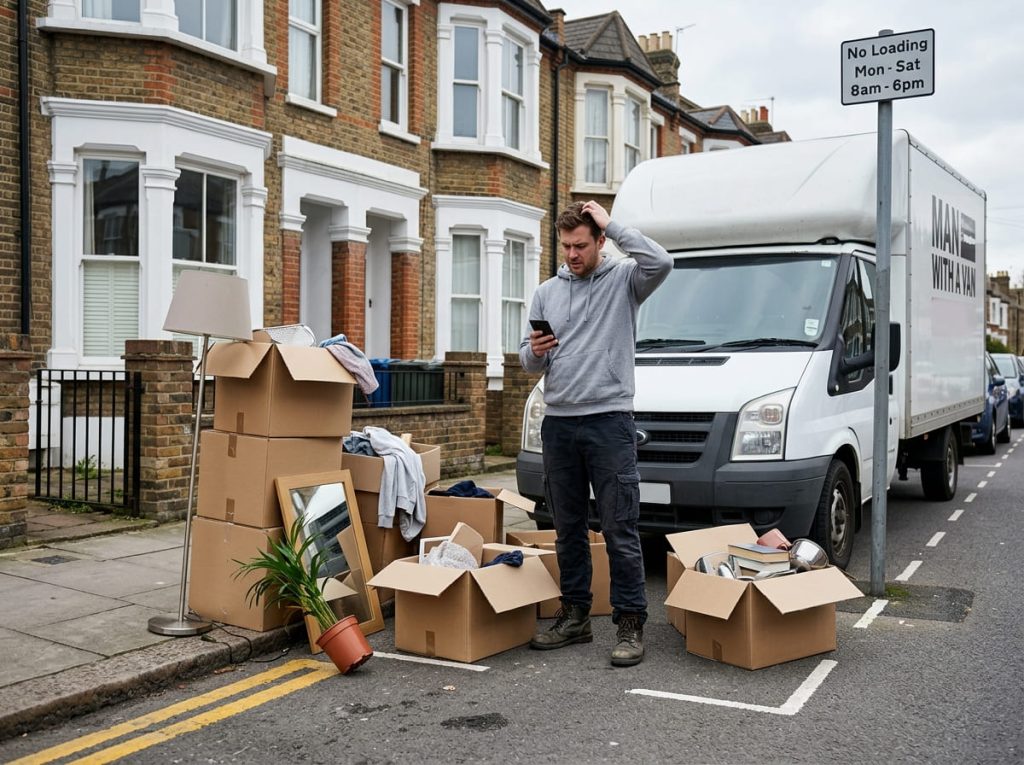
Parking is one of the biggest moving day issues in East London. In places like Hackney, Dalston, Bow, Stratford, Canary Wharf, and the Docklands, the parking or loading access can be tight, and residential streets may have permit bays, yellow lines, controlled zones, loading restrictions, or narrow access.
Before the day, check whether the van can park outside, whether there’s a driveway or a loading bay, whether it’s resident permit parking, whether you need a visitor permit or a suspension, whether the road is too narrow for easy loading, whether there’s a height restriction or a red route nearby, whether building management requires a loading slot, and whether there’s room for a Luton van.
For the exact rules, confirm with the relevant council, building management, concierge, or the street signage, and you can find your borough through the government’s local council finder, since the rules differ by borough and by street. A mover can advise, but you’re usually best placed to arrange the local permission. If the van has to park far off, the move runs long, and if it can’t stop legally, it can be delayed before it even starts.
6. Think about office access
East London has a lot of office and commercial space, especially around Canary Wharf, the Docklands, Stratford, Hackney, and the creative workspaces nearby, and office moves need different planning from home moves. Even a small relocation can involve desks, monitors, chairs, filing cabinets, printers, meeting room furniture, cables, boxes, and a set of building access rules on top.
Before booking an office move, check the building loading rules, whether there’s a goods lift and whether it needs booking, whether the move is allowed during office hours or better done in the evening or at the weekend, and what the reception, security, and access pass procedures are. Confirm the parking and loading bays, whether the computers and screens are packed, whether the desks are being dismantled, whether the boxes are labelled by department or person, and whether any confidential paperwork is moving.
Office moves go far smoother when everything’s labelled, so use tags like accounts, sales, meeting room, kitchen, reception, or staff names. And if IT kit is involved, pack the monitors, cables, and devices carefully, and keep the essential business items separate so they’re easy to find afterwards.
7. Protect the furniture
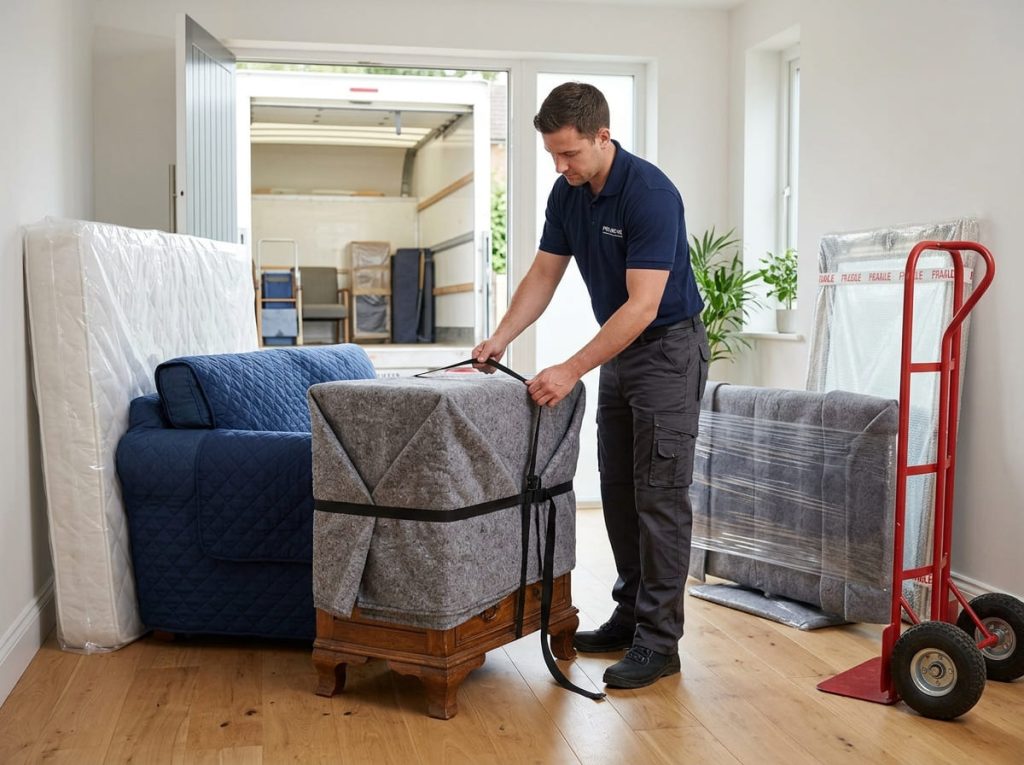
Furniture protection matters whether you’re moving from a rented flat, a family home, or an office. Ask whether the team uses furniture blankets, straps, trolleys, mattress covers, sofa and TV protection, and bubble wrap where it’s needed, and whether they load carefully and stack safely inside the van.
The pieces that tend to need extra care are the sofas, beds and headboards, dining tables, office desks, wardrobes, glass tables, mirrors, artwork, large TVs, antiques, fragile cabinets, filing cabinets, and designer chairs. If something is valuable, fragile, heavy, or awkward, flag it before booking, since it may want extra wrapping, more hands, or special handling. A good move isn’t just about speed. It’s about getting things safely through the doorways, corridors, lifts, stairs, streets, and transport in between.
8. Label the boxes
Labelling is simple but it earns its keep. A box with no label creates delays, while a clearly labelled one goes straight to the right room or office area. Useful tags cover kitchen, bedroom, bathroom, living room, office, reception, fragile, heavy, open first, storage, and do not stack.
For office moves, label by department, desk number, or employee name. For house moves, label by room. For storage moves, label by contents so you can find things later. So you might have “kitchen, plates, fragile,” “bedroom, bedding,” “living room, books, heavy,” “office, cables and chargers,” an “open first” box with the kettle, toiletries, and medication, and “storage, winter clothes.” Good labelling speeds up the unloading and makes settling in far easier.
9. Plan the route and timing
East London traffic can be heavy, especially around the major roads, town centres, river crossings, business districts, and at school times. A short distance move can still run long if the loading or unloading is awkward, because the route is only one part of the job. The full moving time covers the arrival, the parking, the loading, any dismantling, the travel, the waiting, the unloading, any reassembly, and placing things in the rooms.
Before booking, ask whether the price is hourly or fixed and how travel time is handled, and if you’ve got a building time slot, a key collection time, a storage closing time, or an office deadline, tell the company up front. For moves involving London road charges, restricted zones, or council rules, confirm the current requirements through official sources such as Transport for London before relying on a figure. A professional should help you plan realistic timings based on the size of the move and the access at both ends.
10. Check the insurance
Insurance is an important trust signal when you’re choosing a man and van near you. Ask whether the company carries Goods in Transit cover and Public Liability cover, and whether it can explain the claims procedure, the policy terms and exclusions, and how it handles fragile or high value items.
Goods in Transit insurance is there to cover your belongings while they’re being transported, subject to the policy terms. Public Liability insurance is there to cover certain third party injury or property damage claims, again subject to the terms. Before booking, ask what’s included, what’s excluded, whether high value items are covered, whether the fragile things need declaring, whether packing quality affects a claim, and what happens if something’s damaged. Superman with a Van carries Goods in Transit and Public Liability insurance, which gives you more confidence than using an unknown van owner with no confirmed cover. It doesn’t replace careful packing, but it’s part of choosing a professional service.
11. Ask about dismantling
Dismantling can be the difference between a smooth move and a difficult one. Many East London flats and offices have tight entrances, lifts, staircases, and corridors, and if a piece was assembled inside the room, it may not come out in one go. The usual candidates are beds, wardrobes, desks, dining tables, cot beds, shelving units, office desks, meeting tables, large cabinets, and some sofas.
Before booking, ask whether the movers can dismantle and reassemble, whether they bring tools, whether it’s included in the price, how much time it adds, and whether anything is off limits. Superman with a Van can handle dismantling and reassembly when it’s arranged before the move. To prep, empty the wardrobes and drawers, strip the bedding, and keep the screws and fittings safe, and if a piece is fragile or already damaged, mention it before the day.
12. Prepare the fragile items
Fragile things need special attention, and that covers glassware, mirrors, TVs, computer screens, artwork, lamps, crockery, marble tops, glass tables, musical equipment, office electronics, and decorative pieces. Don’t leave any of it loose. Use proper materials, the bubble wrap, packing paper, strong boxes, and tape, and mark the fragile boxes clearly.
For TVs and monitors, use the original boxes where you can, and if you don’t have them, ask whether the company can provide extra protection. For mirrors and artwork, mention the sizes before booking, since large fragile items may need careful handling and more space in the van. The simple rule is that fragile items are far safer when the team knows about them before they arrive.
13. Book early
It’s best to book early, especially for weekends, month end dates, tenancy change dates, student moves, and office moves, since East London gets busy and good movers can have limited availability at the popular times. Book ahead if you need a weekend or a month end slot, more than two movers, packing help, or dismantling, or if you’re moving office equipment, moving from a managed building, need a fixed time slot, have a large item list, or need a full house move.
Short notice bookings can still be possible, particularly for small removals, student moves, or furniture collections, but the clearer your details are, the easier it is to confirm availability. For an urgent move, send the item list, both postcodes, photos, the floor levels, the parking details, and your preferred time as soon as you can.
14. Confirm the payment terms
Payment terms should be clear before you book. Ask whether the price is hourly or fixed, what the minimum booking time is, whether a deposit is required and when the balance is due, what payment methods are accepted, whether parking and waiting time are charged separately, whether dismantling and packing are included, whether any road charges apply, and what happens if the move overruns.
Steer clear of vague quotes where it’s unclear what’s included, since a professional company should explain the price structure before the day. And if a quote looks far cheaper than the rest, ask what’s in it, because it may be missing enough movers, insurance, stair time, parking time, loading help, dismantling, or travel time. Clear payment terms protect both sides.
15. Get written confirmation
Always get written confirmation before the move. It should set out the moving date, the arrival time or window, both addresses, the number of movers, the van size, the hourly rate or fixed price, the minimum booking time, the services included, the packing and dismantling details, the insurance, who’s responsible for parking, any extra stops, the payment terms, and the cancellation or date change terms.
Written confirmation heads off misunderstandings by giving everyone a clear record of what was agreed. If anything changes after you book, more boxes, different floor levels, changed access, a new address, extra stops, parking changes, or extra furniture, update the company in writing. A reliable mover wants the booking to be clear, because that’s how they send the right team and the right vehicle.
Man And Van East London Service Types at a Glance
Different jobs need different setups. A student removal, mostly boxes, bags, a desk, and small furniture, wants one or two movers, flexible timing, and a clear inventory. A flat move, with furniture, boxes, a mattress, and appliances, suits a Luton van, two movers, and some stairs or lift planning. A high rise apartment move, with its lift, concierge, and loading bay, needs a lift booking, a loading slot, and careful timing. An office move of desks, chairs, screens, and boxes wants two or more movers, labelling, and access planning.
A furniture collection comes down to measurements, van size, and dismantling if needed. A storage move turns on the access details, the loading bay, and the unit’s opening hours. A house move means a larger team, a detailed inventory, and possibly a full removals service. A short notice move needs clear details, ready packed items, and flexible timing. A Docklands or Canary Wharf move revolves around the managed building or commercial access, the loading bay, the concierge rules, and the lift booking. And a Hackney or Dalston move is all about parking planning, careful loading, and realistic timing on those narrow streets.
One Mover, Two Movers, or a Full Removals Team?
The right option depends on the job. One man and van suits a few boxes, a small collection, or a light student move, with a lower labour cost and a simple setup, though you may need to help and it isn’t ideal for heavy furniture or stairs. Two men and a van is the workhorse for flat moves, furniture, stairs, and small removals, giving you safer lifting and faster loading, and it’s the practical choice for most East London moves, though it may not be enough for a large home or a complex office.
Three men and a van suit larger flats, heavy furniture, and poor access, finishing bigger jobs faster and more safely at a higher hourly cost that can still save time overall. And a full removals team is the answer for house moves, large offices, and complex jobs with packing and multiple rooms, though it needs more planning and a detailed inventory. For most East London flat moves, a two person team tends to be the sensible default, but the right call always comes back to the item list, the access, and the timing.
An East London Moving Checklist
Before you ask for a quote, prepare a full item list, count the boxes and bags, and take photos or a short video. Confirm both postcodes, note the property type, check the floor levels and lift access, and check the parking at both addresses. Mention any building management rules, spot the furniture that needs dismantling, flag the fragile or high value items, and decide whether you want packing help.
Once you’ve got a quote, confirm the van size, the number of movers, and the pricing, ask about the minimum booking time and the insurance, and check who’s responsible for parking. Confirm the dismantling and reassembly, ask about packing materials, settle the payment terms, and get it all in writing.
The day before, finish packing and label every box, mark the fragile items clearly, empty the furniture where needed, and clear the hallways. Confirm any lift booking and the parking or loading bay, set your essentials aside, keep your valuables with you, charge your phone, and have the keys and access codes ready. On the day, show the movers what’s going and point out the fragile items, confirm what’s staying, keep your phone and keys handy, check every room before you leave, then direct the team at the other end and check the important items once they’re unloaded.
Common Mistakes to Avoid
The big one is choosing on price alone, since a very cheap quote may skip enough movers, insurance, stair time, parking time, dismantling, or realistic travel time, so always ask what’s included. Not checking the parking is another, because it can shape the whole move, so check both addresses before the day. People also forget the lift or concierge rules, when some blocks require a lift booking or a loading bay reservation, so confirm that before the van arrives.
They underestimate the item list too, overlooking the bags, lamps, plants, mirrors, storage cupboards, loft, and office equipment, and they leave packing unfinished, which drags the job out. And the last one is booking the wrong service entirely, since a small man and van job isn’t the same as a full house removal or a large office relocation, so if the move is big, pick a suitable removals service from the start.
Frequently Asked Questions
What is the best man and van near me in East London?
The best one regularly covers your area, sends the right van size, provides enough movers, confirms its insurance, prices the job clearly, and gives written confirmation. The closest van isn’t always the safest choice, and a professional company with East London experience usually beats an unknown van owner.
Can I book a flat move in East London?
Yes, a man and van usually handles flat moves in East London, including studios, one bedroom flats, upper floor flats, and apartment blocks. Confirm the floor level, lift access, parking, loading rules, and any dismantling before booking.
Do movers handle student removals in East London?
Yes, student removals are common for a man and van. They usually involve boxes, bags, desks, chairs, small furniture, and personal belongings, and a clear item list plus flexible timing makes them easy to arrange.
Can I book an office move in East London?
Yes, a man and van can help with small office moves, covering office furniture, boxes, chairs, monitors, and equipment. Plan it around the building access, loading bays, lift bookings, security procedures, and labelling.
Do I need to arrange parking?
In many East London areas, yes. You may need visitor parking, a loading bay, a parking suspension, or permission from building management, so check the exact rules with the relevant council, concierge, or signage.
Can I book a Luton van?
Yes, a Luton van is commonly used for East London man and van jobs, including flat moves, student moves, office moves, storage moves, and furniture collections. Whether one is enough depends on your item list and the volume of belongings.
Can movers dismantle furniture?
Many can dismantle and reassemble beds, wardrobes, desks, tables, and some office furniture if arranged in advance. Tell the company what needs doing so the team can bring tools and allow enough time.
Is insurance included?
A professional company should be able to confirm whether Goods in Transit and Public Liability cover are included. Ask what’s covered, what’s excluded, and whether high value items need declaring.
Is same day man and van available in East London?
Same day bookings can work for smaller moves, furniture collections, or ready packed flats, depending on availability. Send your postcodes, item list, floor levels, lift access, and parking details as early as you can.
Does Superman with a Van cover wider London?
Yes, the man and van and removals services run right across London.
Final Advice Before Booking
When you’re searching for a man and van near you in East London, don’t choose on price or distance alone. Go for a company that asks proper questions, understands East London properties, confirms the right van size, brings enough movers, explains the insurance, and gives written confirmation. A good East London move comes down to preparation, and the details that matter most are the item list, the postcodes, the parking, the stairs, the lift access, the van size, the number of movers, the fragile items, the dismantling, and the timing.
Superman with a Van helps with East London man and van services, flat moves, house removals, student removals, office moves, packing, loading, unloading, furniture dismantling, and transport. Request a quote here: House Removals East London.